

CALASIAO, PANGASINAN—Known for its bite-sized “puto,” this town is proving that its signature rice cake can be far more than a snack, as residents reinvented it into elaborate designs and inventive dishes at Calasiao’s annual festival recently.
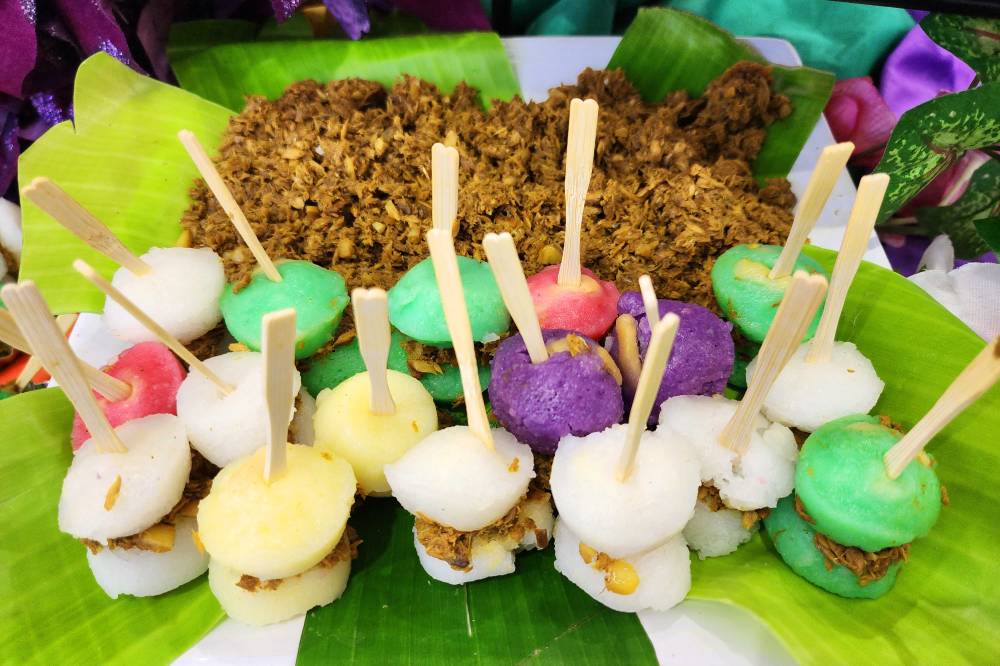
With the addition of meat, vegetables, fish, cream, sugar and other ingredients, the once plain steamed rice cake blossomed into a parade of inventive creations—from savory snacks and hearty mains to playful desserts—crafted by residents of the town’s 24 barangays.
These imaginative entries took center stage during the puto construction design contest and the “best ways to serve puto” competition held last week as part of the 23rd edition of Calasiao’s annual festival, which celebrates and promotes the town’s largely home-based puto industry.
This year’s construction design contest introduced a new twist, Mayor Patrick Caramat said during the event.
Traditionally, puto makers and vendors were the primary participants. This time, food establishments competed—still in partnership with local vendors.
Each participating establishment was paired with two puto makers, from whom they were required to purchase the rice cakes used in their entries.
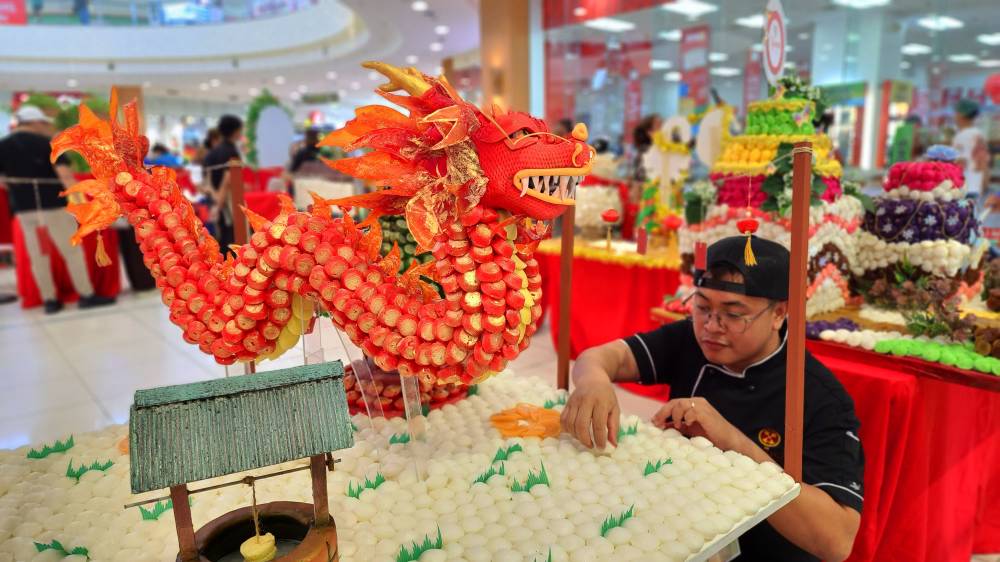
Monarch Hotel took first prize with a dancing mythical dragon built from vibrant, colorful puto.
Chinese traditions
According to the hotel’s statement, the piece celebrated “how Filipino culture has embraced and adopted meaningful Chinese traditions.”
The fierce creature, fashioned from red puto dusted with gold food coloring, appeared to dance atop a mat of white puto, flanked by a traditional well and a small shed.
“The dragon, crafted from the beloved sweet Filipino delicacy Calasiao puto, beautifully embodies the unity, respect and shared heritage that guide and inspire our company today,” the hotel’s management said.
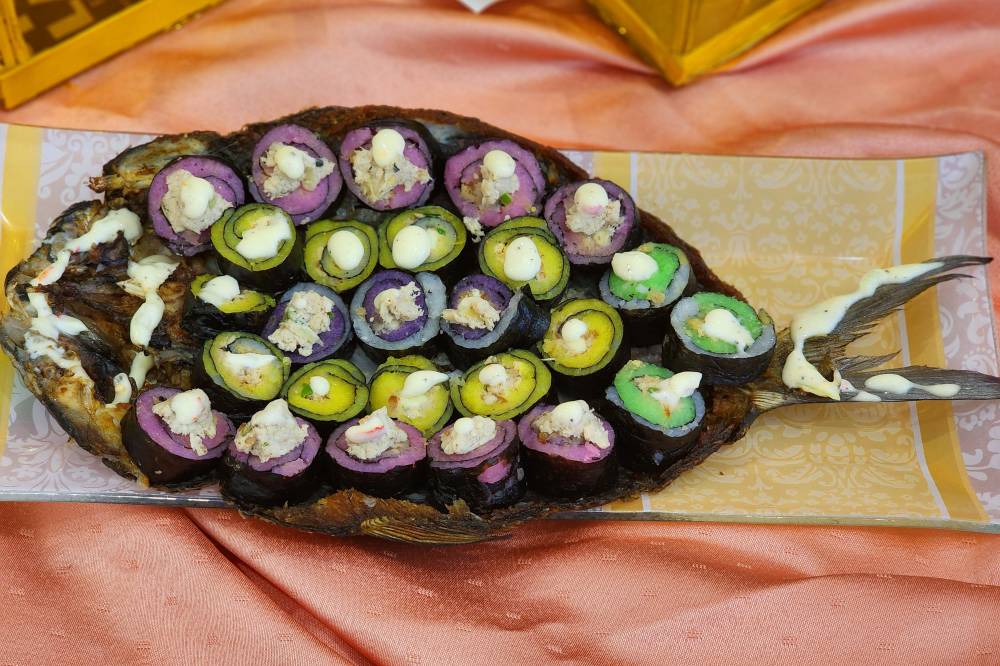
Second prize went to Hagemu Sushi and Ramen Bar, which transformed puto into classic Japanese fare. With remarkable precision in color and form, chef Irish Barrozo reshaped the rice cakes into tuna sashimi, salmon mango, tuna nigiri and other sushi favorites.
Displayed on a tiered rack topped with a tuna head, the creations looked strikingly authentic—though even the wasabi tasted like puto. Barrozo and assistant Nikki Orpresio spent six hours stretching and molding the rice cakes to resemble fish fillets, vegetables and fruits.
Chef’s Café placed third with a detailed recreation of its café counter, complete with a girl serving coffee. Beside the counter stood a stone mill illustrating how rice is ground into batter—the first step in making puto. The display also featured the 400-year-old Calasiao Church and photos of local puto vendor stalls.
Laborious
The team used 28 kilos of puto in various colors and spent 16 hours completing the piece, said team member Joshua Parayno.
Entries that did not make the final cut were no less imaginative. Docena Bakeshop sculpted wedding and birthday cakes using 25 kilos of colored puto.
“Since we represent a bakeshop, we decided to make cakes—but made entirely of puto,” Mark Diolazo said. The cakes could not be sliced, but individual pieces of puto could be plucked and eaten.
Simplicio’s Restaurant built a miniature version of its establishment, complete with facade, back structure and landscaped surroundings. This used 50 kilos, or about 1,000 pieces of puto, mostly brown, white and green.—YOLANDA SOTELO