
Alon and Araw has been making waves since its founding in 2021 to address plastic pollution while uplifting coastal communities. In just a few years, the non-profit organization has diverted over 90,000 kilos of plastic from the ocean, upcycling it into useful products. This achievement, paired with their innovative approach of rewarding beach cleanups with surfing lessons, shows that conservation can be both engaging and impactful.
At the heart of Alon and Araw’s efforts is the Surfboard Barbara program, where community members—especially children—participate in beach cleanups and are rewarded with surfing lessons.
“We wanted to share the fun of surfing, and by linking it to beach cleanups, we got the community involved in a meaningful way,” said co-founder Donn Lawrence Quintos. This model has resonated with locals, who share a natural connection to the ocean as surfers, swimmers, or divers.
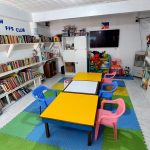
The organization’s impact doesn’t stop with environmental work. Alon and Araw also focuses on empowering children in coastal communities through education, particularly in digital literacy. Their Digital Learning Center offers scholarships and courses that equip students with valuable skills for the future.
“We now have 10 students enrolled in digital learning courses, and we’re seeing real progress, especially among the older kids,” Quintos said. This blend of environmental action and educational empowerment ensures the organization’s efforts go beyond the short-term, setting up the next generation for success.
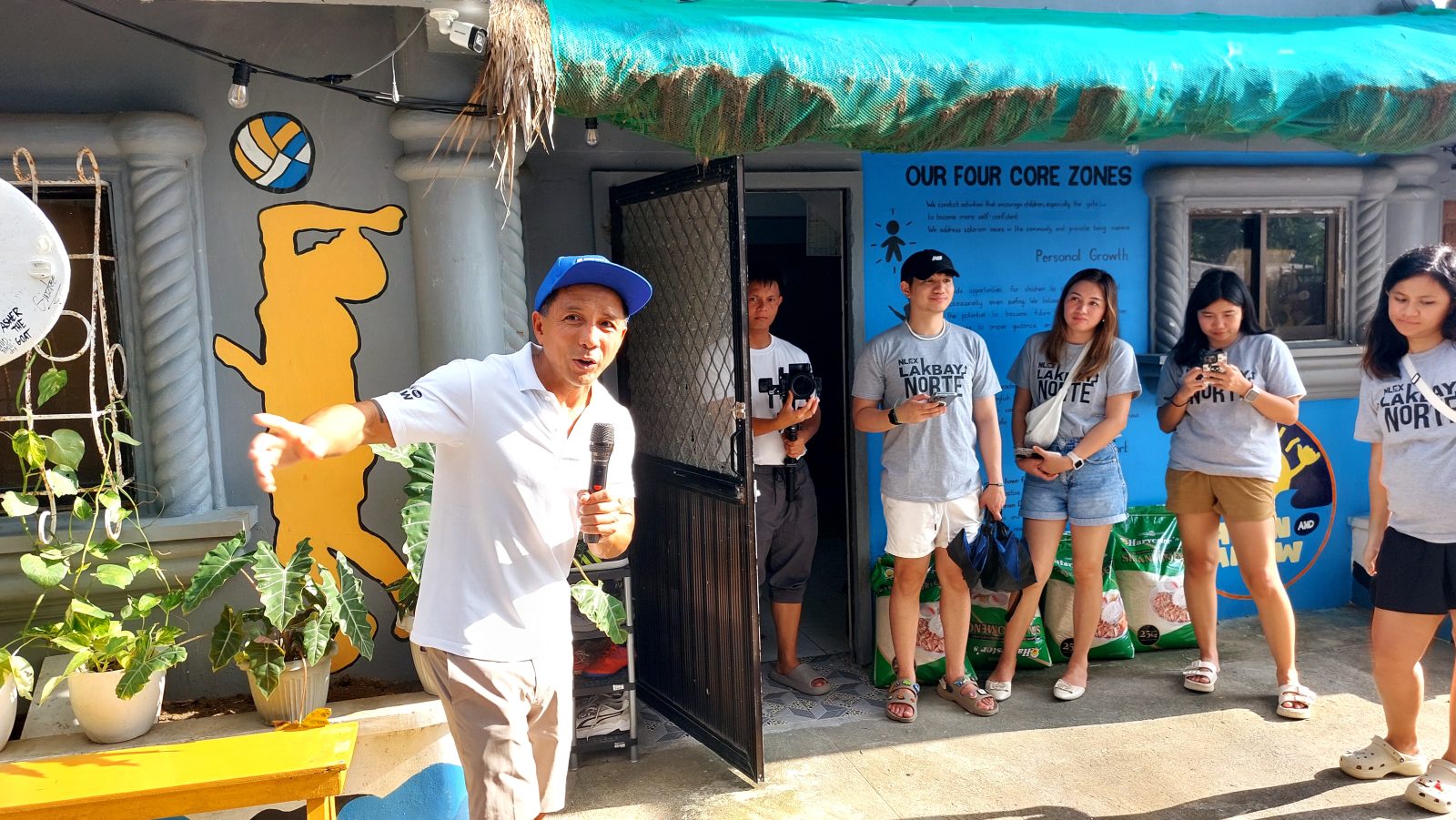
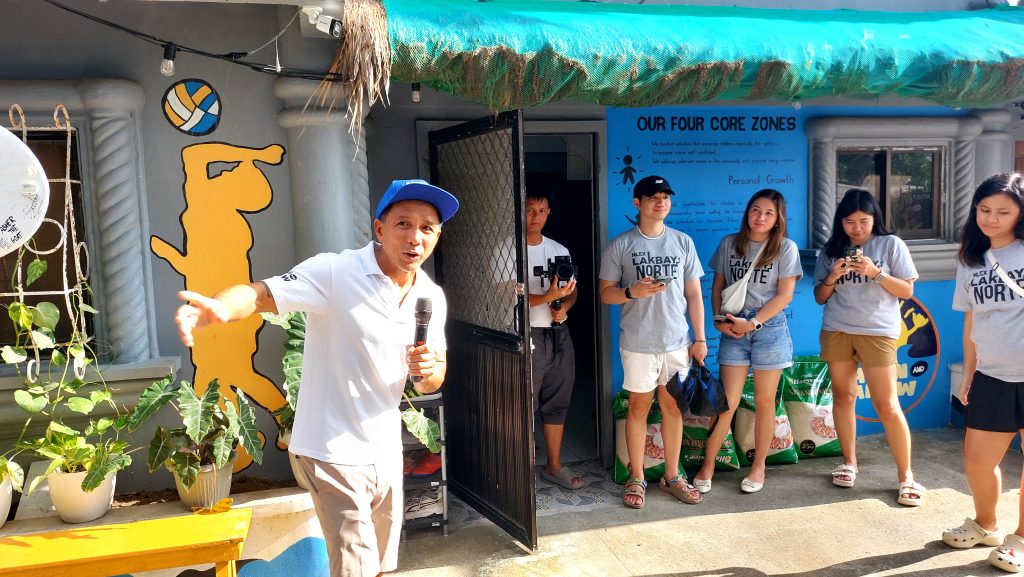
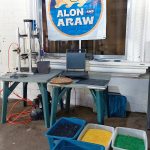
During a recent NLEX Lakbay Norte trip, we had the chance to see the organization’s work firsthand. Quintos and his team showcased their recycling initiatives, where community members bring in clean, segregated plastics in exchange for essential goods like rice or canned food. The collected plastics are then sold to partner NGOs, who turn them into products such as chairs and even fun run medals. This system not only encourages proper waste disposal but also provides tangible benefits to participants.
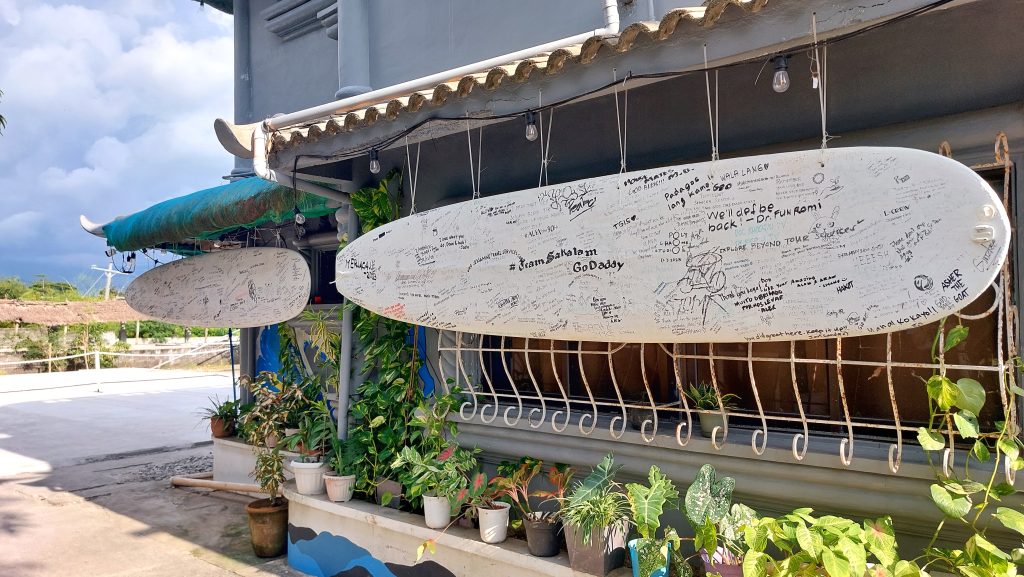
“We’re creating value for the waste,” Quintos said. “When people see that plastic has value, they’re more likely to dispose of it properly rather than just throw it into the ocean.”
Quintos highlighted how sports, like surfing, have played a key role in promoting sustainability. “Sports and community engagement can drive sustainable practices,” he said.
The challenges faced along the way were considerable, particularly when it came to changing long-held habits in the community. One of the biggest hurdles was addressing the common practice of burning plastic waste. “We went door-to-door explaining the toxic effects of burning plastic and the value of proper disposal,” he said. Over time, the organization managed to shift the community’s mindset, incentivizing proper waste management and reinforcing the importance of protecting the ocean.

Looking ahead, Alon and Araw plans to expand its reach and replicate its model in other coastal communities across the Philippines.
The organization’s blend of environmental activism, community development, and educational support is setting a new standard for sustainability efforts in the Philippines and beyond. Through these initiatives, Alon and Araw is empowering the next generation to become stewards of the ocean and inspiring others to join the movement for a more sustainable future.